Two Wheels That Move the World (and Maybe the Universe)
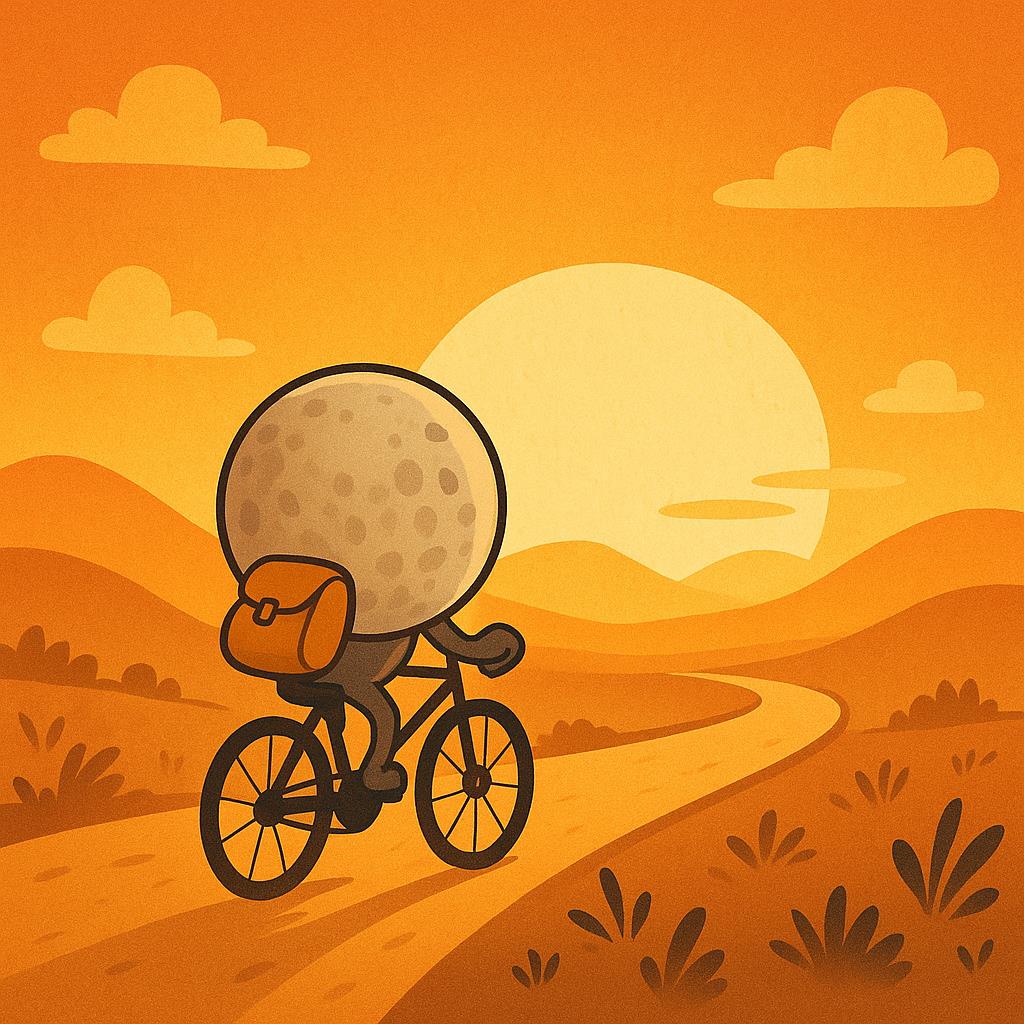
Plutini had never seen a bicycle before. When he found one floating in an orbital junkyard, he thought it was a sculpture. Two wheels, a metal skeleton, and an uncomfortable seat—it looked like anything but a means of transport. But after the first pedal stroke, he felt it: that was freedom. And more than that—it was history condensed into two wheels. The bicycle wasn't born out of whim. It was born out of crises. From a shortage of horses in post-Napoleonic Europe. From people who wanted to come and go without depending on anyone. From frustrated inventors who mixed wood, metal, and audacity. And so, starting in 1817, the world began to spin in a new way—with autonomy, physical effort, and wind in the face.
Support quality publishing and gain unrestricted access to our full library.
Sign in / Up to your Account: