Who Protects Children Must Also Protect Those Who Care For Them
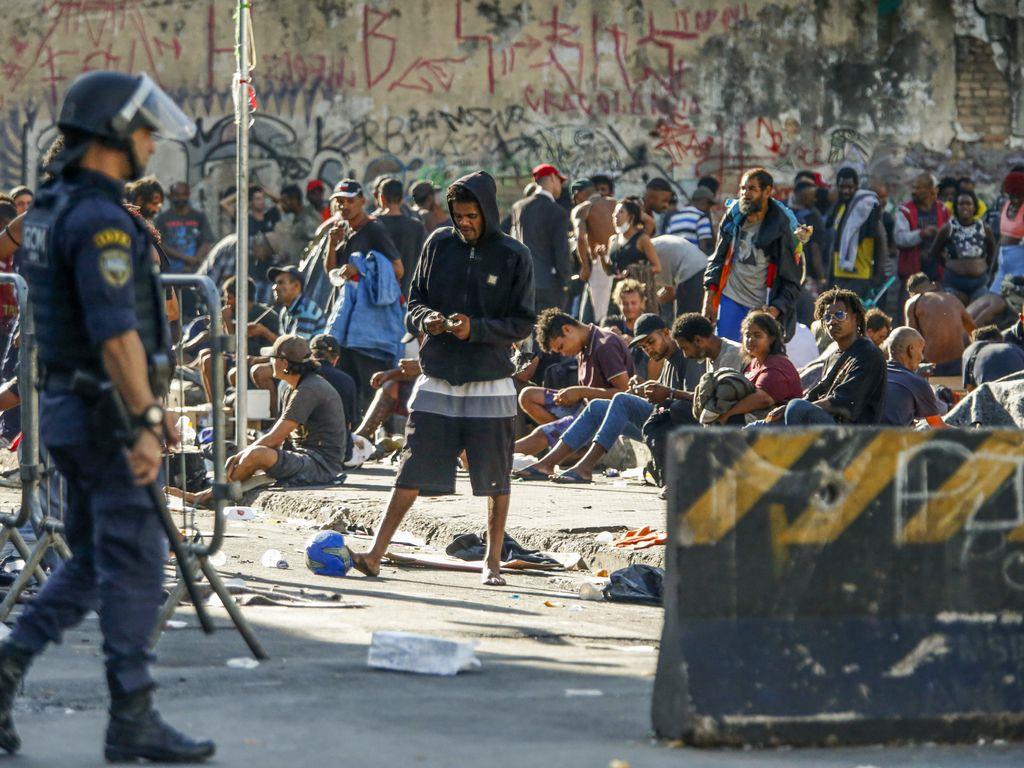

By Maria Raquel
✅🕒 Published on September 9, 2026 - 17:51
Forced Displacement: When The Law Protects Those Who Lose Their Homes
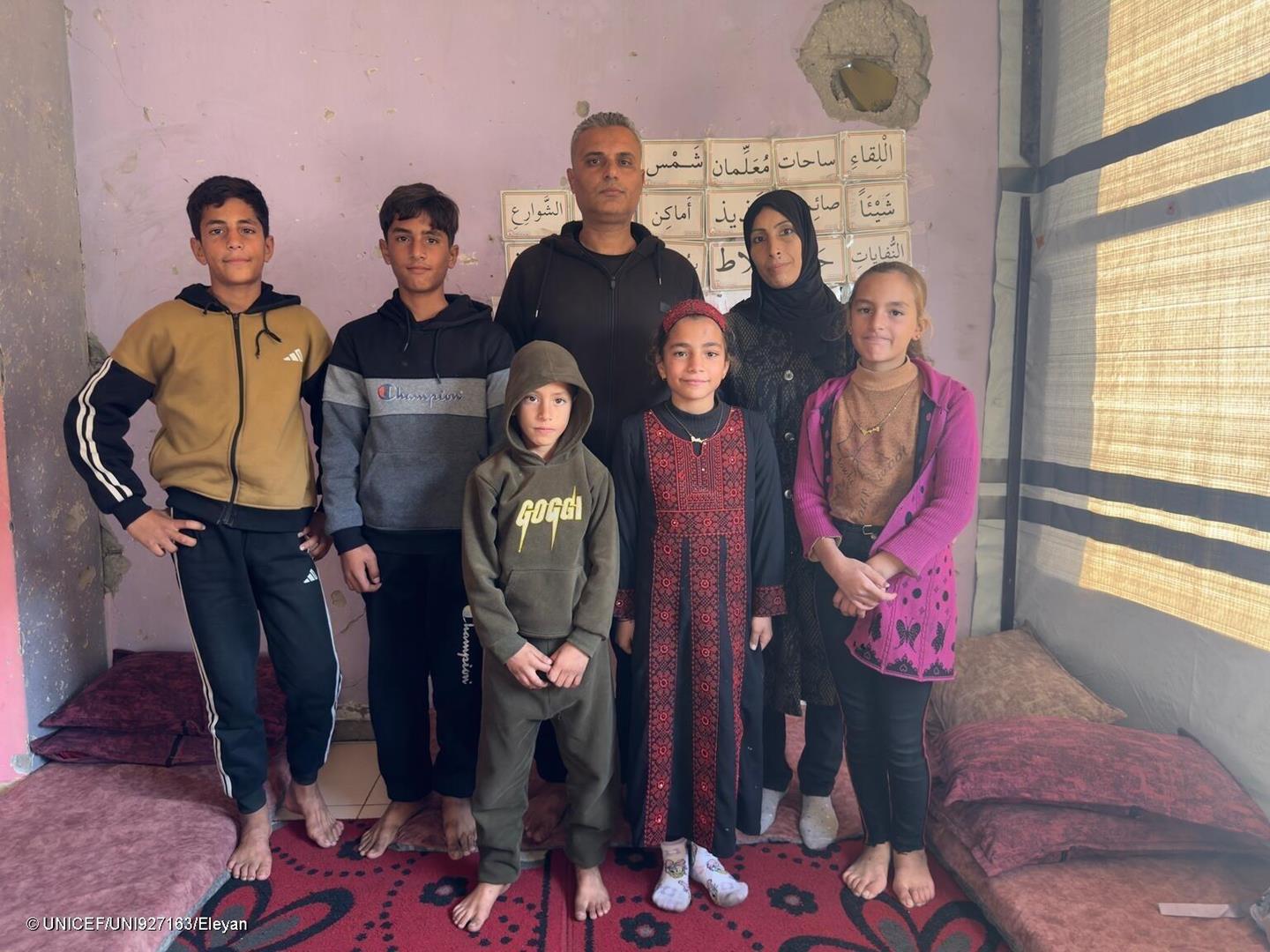

By DonateToRead
✅🕒 Published on September 5, 2026 - 16:48
Meta Reaches Billion-Dollar Settlement And Redraws Social Media
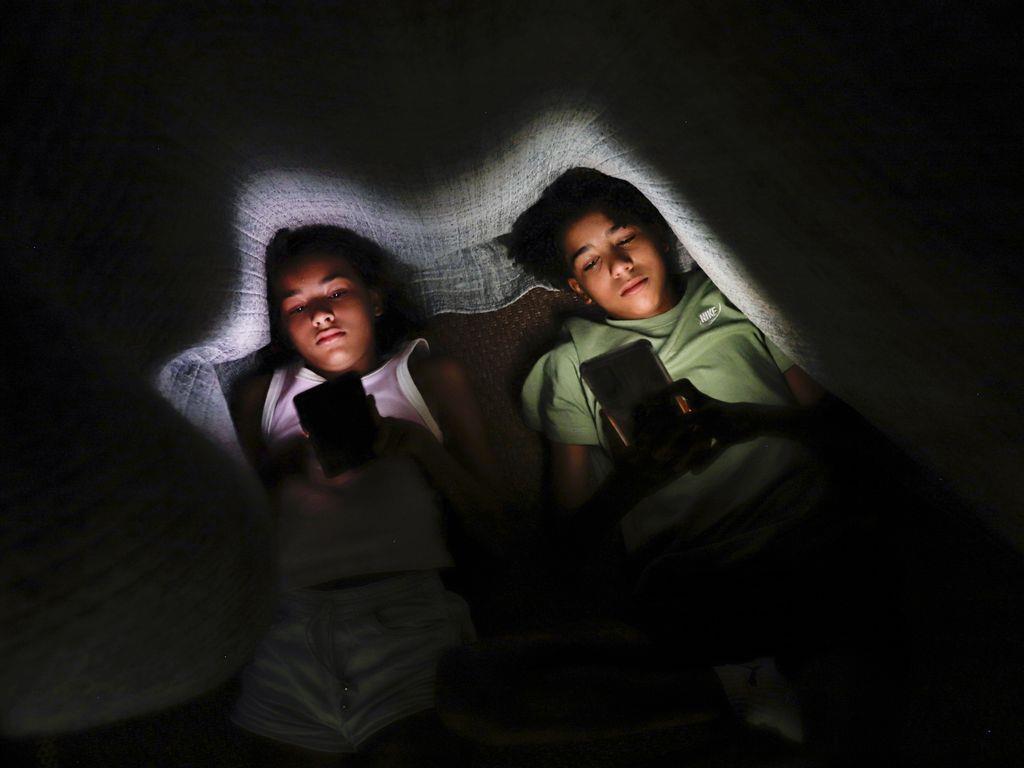
By DonateToRead
✅🕒 Published on August 26, 2026 - 15:13

Cuba And Fidel: When Rights Become A Currency Of Power
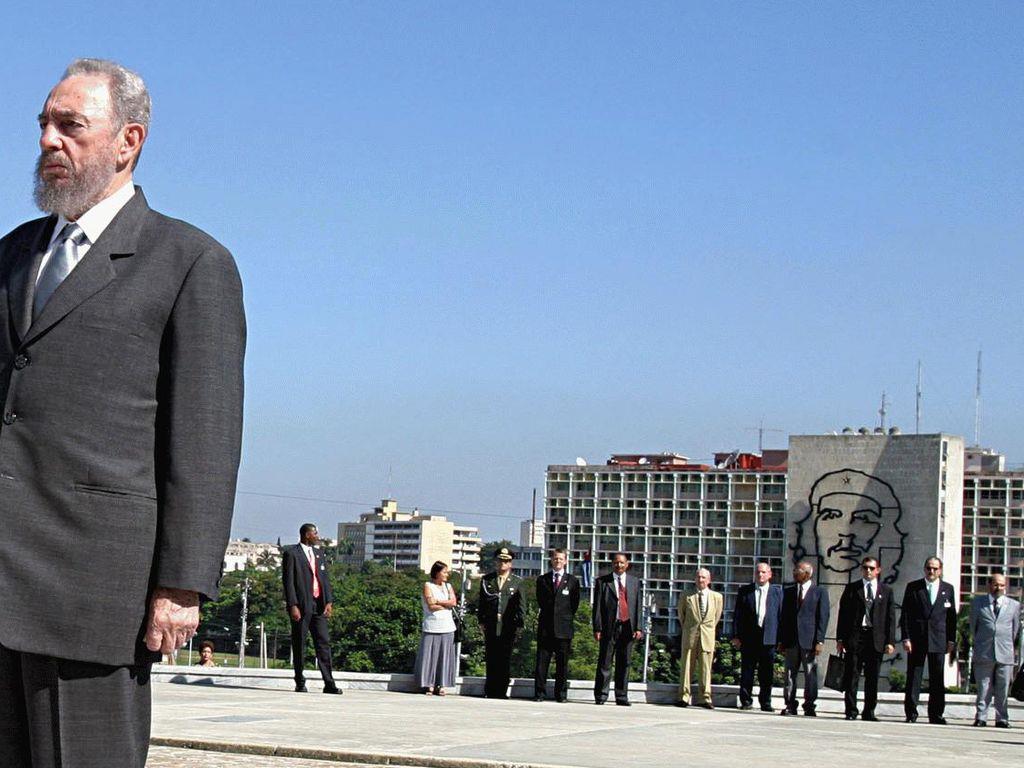
By Maria Raquel
✅🕒 Published on August 13, 2026 - 17:42
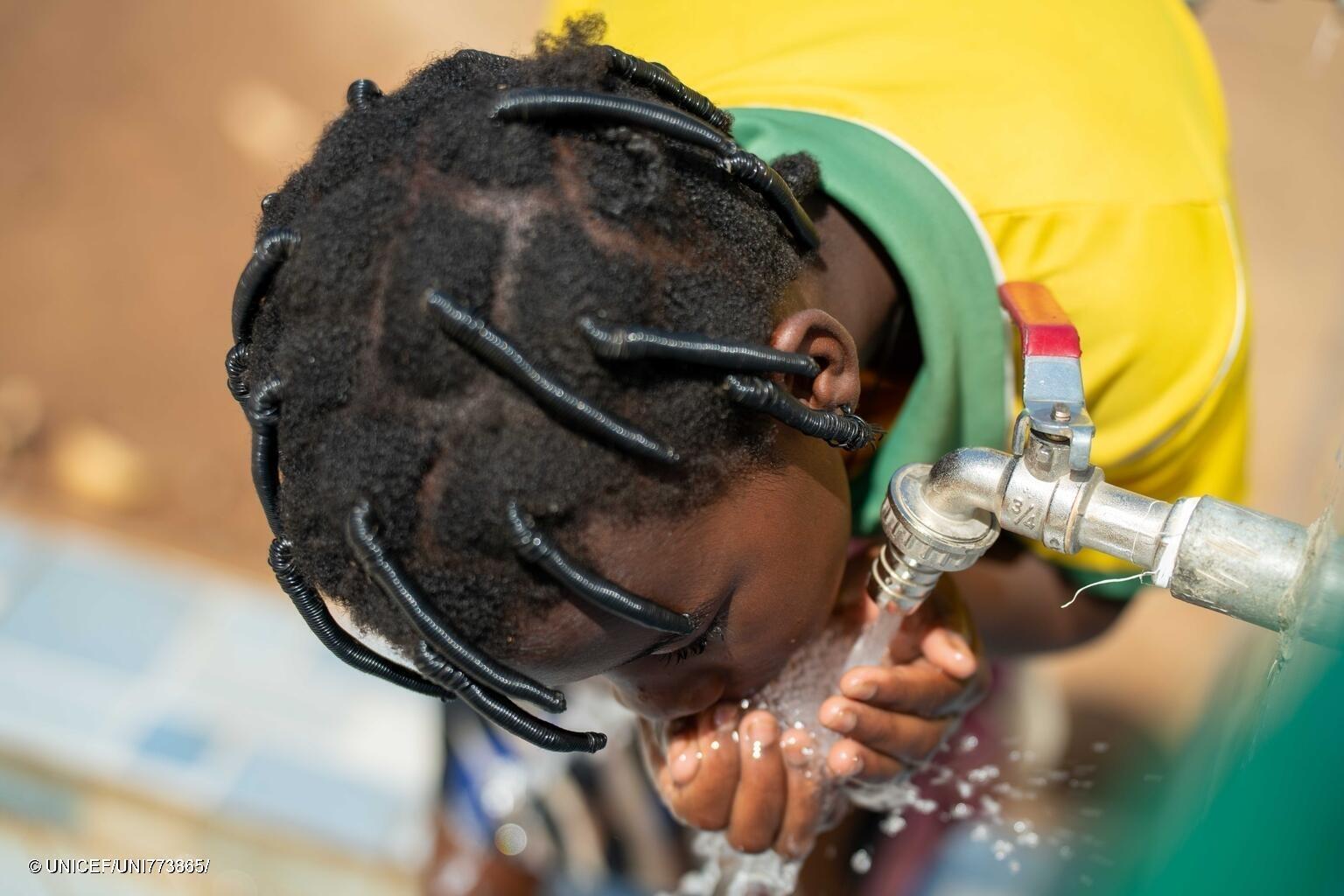
Extreme Weather Puts Human Rights Under Pressure
By DonateToRead
✅🕒 Published on August 5, 2026 - 11:44
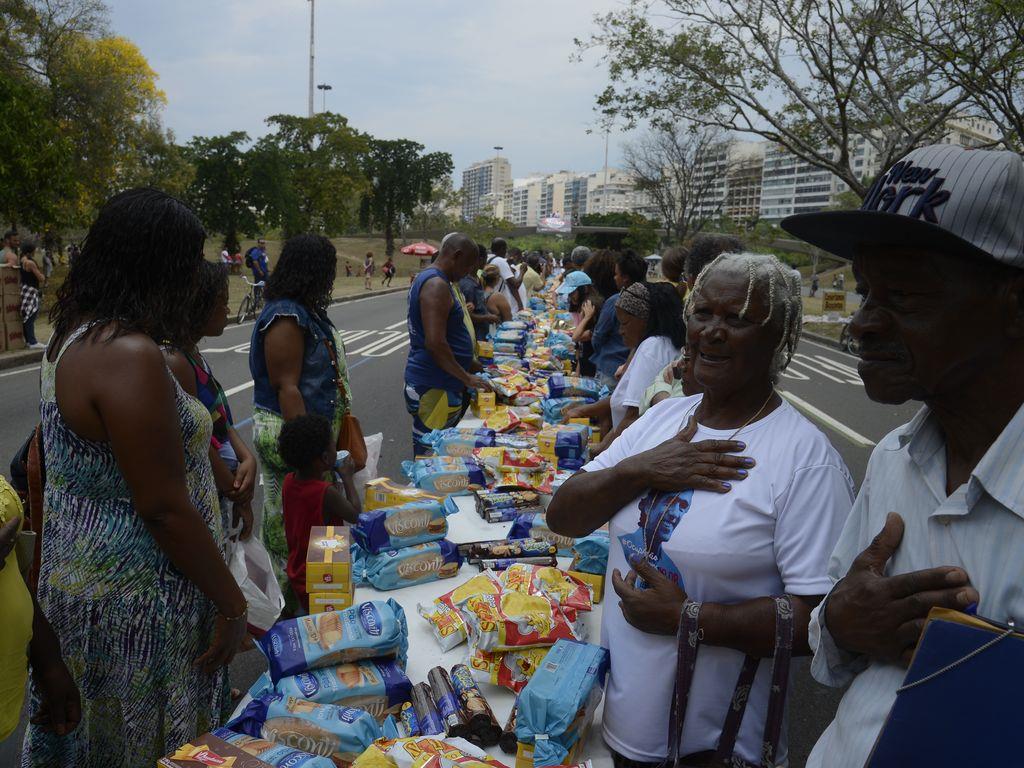
Global Hunger Falls, But Food Justice Remains Distant
By DonateToRead
✅🕒 Published on July 22, 2026 - 16:11
France Restricts Social Media And Opens Debate On Digital Rights

By DonateToRead
✅🕒 Published on July 22, 2026 - 13:23